

Public
Understanding gambling addiction the hidden struggles and pathways to recovery
Understanding gambling addiction the hidden struggles and pathways to recovery
Defining Gambling Addiction
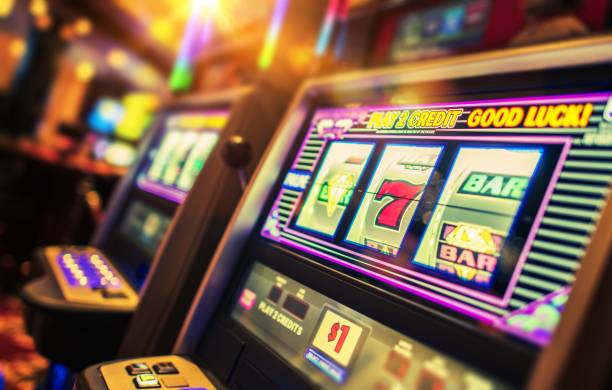
Gambling addiction, also known as compulsive gambling or pathological gambling, is a behavioral disorder that compels individuals to engage in gambling activities despite the negative consequences. It manifests as an overwhelming urge to gamble, often leading to financial ruin, strained relationships, and emotional turmoil. For those exploring options, the chicken road casino offers insights into responsible gaming. Unlike casual gambling, which can be a form of entertainment, gambling addiction takes on a compulsive nature that makes it difficult for individuals to stop.

The roots of gambling addiction can be complex, often involving a combination of psychological, social, and environmental factors. Individuals may gamble as a way to escape stress, anxiety, or depression, and the thrill of winning can create a dangerous cycle that reinforces the behavior. Understanding these factors is essential for addressing the addiction effectively and fostering long-term recovery.
Identifying the Signs of Gambling Addiction
Recognizing the signs of gambling addiction is crucial for early intervention. Common indicators include preoccupation with gambling, increasing amounts of time and money spent on gambling activities, and a tendency to lie about gambling habits. Individuals may also experience guilt, anxiety, or depression related to their gambling behavior, which can exacerbate the issue.
Family and friends often play a vital role in identifying these signs. Concerned loved ones may notice changes in behavior, financial instability, or a withdrawal from social circles. By addressing these warning signs openly, it becomes possible to initiate conversations about seeking help and exploring treatment options.
The Psychological Impact of Gambling Addiction
The psychological effects of gambling addiction are profound and often debilitating. Many individuals report feelings of hopelessness, shame, and isolation due to their gambling behavior. As debts accumulate and relationships deteriorate, a vicious cycle emerges where gambling becomes a primary coping mechanism, further entrenching the addiction.
Moreover, gambling addiction is frequently linked to other mental health issues, such as depression, anxiety, and substance abuse. This co-occurrence complicates treatment and recovery, making it imperative to adopt a holistic approach that addresses both the addiction and any underlying mental health conditions.
Pathways to Recovery
Recovery from gambling addiction is a challenging yet attainable goal. Treatment options vary but typically include counseling, support groups, and sometimes medication. Cognitive-behavioral therapy is particularly effective, helping individuals identify and change harmful thought patterns associated with gambling. Support groups, such as Gamblers Anonymous, provide essential community support and accountability.
Additionally, creating a strong support network is crucial. Loved ones, therapists, and support group members can offer understanding, encouragement, and practical advice throughout the recovery journey. Developing new coping strategies and engaging in healthier activities can also play a significant role in sustaining recovery and rebuilding a fulfilling life.
Understanding Resources for Support
Various organizations and resources are dedicated to helping individuals struggling with gambling addiction. These platforms offer comprehensive support, from educational materials to professional counseling services. Understanding where to seek help can empower those affected by gambling addiction to take the first steps toward recovery.
Online resources also provide anonymity and accessibility, making it easier for individuals to reach out for assistance. Engaging with these services fosters a sense of community and shared experience, reinforcing the message that recovery is possible and that no one has to face this journey alone.
