

Public
Exploring the psychology behind casino gambling habits
The Allure of Casino Environment
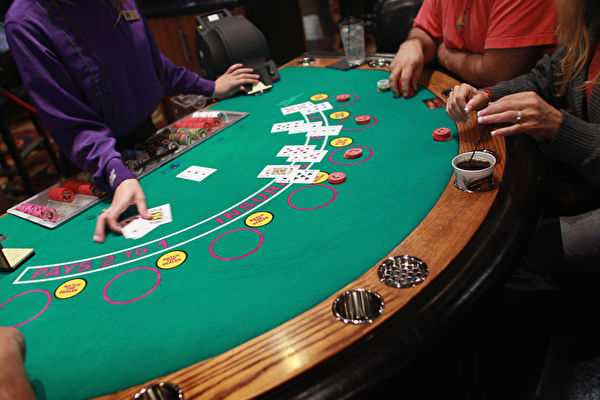
The atmosphere of a casino plays a pivotal role in attracting gamblers. The combination of vibrant lights, engaging sounds, and enticing aromas creates an immersive experience that stimulates the senses. This sensory overload can lead to a state of heightened arousal, prompting individuals to engage in gambling behavior. Additionally, exploring crypto sportsbooks can enhance one’s understanding of modern betting impacts. The excitement of winning, coupled with the fear of missing out on potential rewards, can be a powerful motivator for frequent visits to casinos.
Moreover, the layout of casinos is strategically designed to keep players engaged for longer periods. From the placement of slot machines to the layout of table games, each design element encourages players to continue gambling. This environment not only distracts from the potential losses but also reinforces the idea that winning is just around the corner, further entrenching gambling habits.
The Role of Cognitive Bias in Gambling
Cognitive biases significantly influence gambling behavior. One of the most common biases is the illusion of control, where players believe that they can influence the outcome of random games. This false sense of agency can lead to compulsive gambling, as individuals may think that their skill or strategy can alter the odds in their favor. Such beliefs can keep players engaged, even in the face of repeated losses.
Additionally, confirmation bias plays a crucial role, as gamblers tend to remember their wins more vividly than their losses. This selective memory can create a skewed perception of their gambling success, encouraging them to continue pursuing their habits despite financial consequences. Understanding these cognitive biases is essential for addressing responsible gambling practices.
Psychological Triggers of Gambling Behavior
Gambling often serves as a coping mechanism for stress or emotional turmoil. Individuals may turn to casinos to escape from their daily struggles, seeking relief through the thrill of gambling. This escapism can become a habit, as the temporary high from winning or the excitement of playing can overshadow underlying issues. Such psychological triggers can lead to habitual gambling, as individuals might prioritize this escape over other healthy coping mechanisms.
The unpredictability of gambling outcomes also plays a role in reinforcing these habits. The brain releases dopamine, a feel-good neurotransmitter, whenever a person wins or even anticipates a win. This biological response can create a cycle of seeking out the gambling experience, as the brain associates gambling with pleasure. Over time, this can lead to a growing dependence on gambling for emotional satisfaction.
The Impact of Social Factors on Gambling Habits
Social influences can significantly affect an individual’s gambling behavior. Friends or family members who engage in gambling activities can normalize and reinforce these habits, making it more likely for others to join in. Social settings in casinos also foster a sense of community among gamblers, further encouraging continued participation in gambling activities.
Moreover, societal attitudes towards gambling can shape individual behaviors. In cultures where gambling is viewed as an acceptable leisure activity, individuals may be more inclined to explore casino games. This social context, combined with personal motivations, can lead to entrenched gambling habits that are difficult to break, highlighting the importance of awareness and education in creating responsible gaming environments.
Resources for Understanding and Navigating Gambling Habits
For those looking to delve deeper into the psychology behind gambling and its effects, various resources are available. Educational platforms and support groups can help individuals understand their gambling behavior and explore healthier alternatives. Websites dedicated to responsible gambling offer insights and tips for navigating the complex landscape of casino gaming.
Additionally, seeking professional help can be crucial for individuals struggling with gambling addiction. Therapy and counseling can provide strategies for coping with urges and addressing the psychological factors that contribute to gambling behaviors. As the conversation around gambling evolves, it’s essential to access trustworthy resources to make informed choices in gambling activities.
